

The operating cycle of a business
How To Handle Test Failures Pytest Documentation
30 Haziran 2023Hokey Oyuncularının Oyun Formunu Yükseltme Stratejiler
6 Temmuz 2023
The ‘inventory period’ measures how adjusting entries many days on average the inventory remains in the system before it’s sold. The ‘accounts receivable period’ is the average number of days it takes for a firm to collect cash from its customers after a sale has been made. Understanding how to calculate your operating cycle is essential for monitoring and improving your financial performance.
Loved by brands, trusted by analysts
Days Payable Outstanding (DPO) represents the average number of days it takes for your company to pay its accounts payable to suppliers. A longer DPO indicates that you are retaining cash for a more extended period, which can be advantageous for working capital management. A low DSO suggests that your accounts receivable process is efficient, and customers are paying their invoices promptly.

Treasury & Cash Management Solutions
- Before we dive into the mechanics of calculation, we need to know what we’re dealing with.
- This is useful in estimating the Cash cycle in a working capital requirement for maintaining or growing an organization’s operations.
- So, from the above-given data, we will first calculate the Inventory Period (days) of Apple Inc.
- Days Sales of Inventory (DSI) is a crucial metric that measures how quickly your company turns its inventory into sales.
- It’s important as it provides insights into a company’s liquidity, efficiency, and working capital management.
- A shorter operating cycle can free up working capital, while a longer one might tie up more capital in inventory and receivables.
- The ‘inventory period’ measures how many days on average the inventory remains in the system before it’s sold.
In this example, your operating cycle is approximately 128 days, which means it takes 128 days for your investments to return as cash. Understanding and monitoring your operating cycle can help you identify areas for improvement, optimize cash flow, and make informed financial decisions. The operating cycle formula can compare companies in the same industry or conduct trend analysis to assess their performance across the years.
Net Operating Cycle (Cash Cycle) vs Operating Cycle

A high DPO suggests that your company is effectively managing its accounts payable, optimizing cash flow Accounting for Churches by extending payment terms without straining supplier relationships. This can be particularly beneficial for businesses looking to reduce working capital requirements and enhance profitability. The operating cycle, also known as the cash cycle of a company, is an activity ratio measuring the average period required for turning the company’s inventories into cash.
- Monitoring these KPIs regularly and taking action to improve them can lead to a more efficient operating cycle, improved cash flow, and enhanced financial performance for your business.
- A shorter cycle indicates quick conversion of inventory into sales and then into cash, suggesting operational efficiency and strong liquidity.
- A longer DPO indicates that you are retaining cash for a more extended period, which can be advantageous for working capital management.
- The difference between the two formulas lies in NOC subtracting the accounts payable period.
- Looking to streamline your business financial modeling process with a prebuilt customizable template?

Remember, your operating cycle is not static; it requires continuous attention and adaptation to changing market conditions. By implementing the strategies outlined in this guide and staying vigilant, you can achieve a more efficient operating cycle, setting your business on the path to financial success. To gain a deeper understanding of how operating cycle management can impact businesses, let’s explore a couple of real-world examples and case studies that highlight the significance of this financial concept.
What is the relationship between operating cycle and working capital management?
Thus, several management decisions (or negotiated issues with business partners) can impact the operating cycle of a business. Ideally, the cycle should be kept as short as possible, so that the cash requirements of the business are reduced. This is useful in estimating the Cash cycle in a working capital requirement for maintaining or growing an organization’s operations. The shorter Cash cycle indicates that the company recovers its investments quicker and hence has less cash tied up in working capital. However, OC varies across industries, sometimes extending to more than a year for some sectors, for example, shipbuilding companies.
In retail, it may be days because of quick inventory turnover, whereas in manufacturing, it can extend to 90 days or more due to production time. The cycle includes the time to purchase or produce inventory, sell it, and collect payment. Normal operating cycles are the usual time it takes for a business to turn inventory into cash. For instance, for the retail industry, it may be short, while for the manufacturing industry, it might be longer due to production times. A shorter operating cycle can free up working capital, while a longer one might tie up more capital in inventory and receivables.
- A high DPO suggests that your company is effectively managing its accounts payable, optimizing cash flow by extending payment terms without straining supplier relationships.
- Now that you have a solid understanding of the operating cycle and how to calculate it, let’s explore practical strategies that can help you optimize and enhance the efficiency of your operating cycle.
- This can be particularly beneficial for businesses looking to reduce working capital requirements and enhance profitability.
- The cash cycle can be shortened by extending suppliers’ payment terms, maintaining optimum inventory levels, shortening production workflow, managing order fulfillment, and improving the accounts receivables process.
- These case studies underscore the importance of effectively managing the operating cycle in different industries.
- Understanding how to calculate your operating cycle is essential for monitoring and improving your financial performance.
On the upside, a longer operating cycle means the company is more likely to leverage credit terms with their suppliers. It also means that the company might have a buffer of operating cycle inventory to meet unexpected demands. The first one is the ‘Inventory Period,’ which is the time taken to sell the inventory. To improve your DSI, consider implementing inventory optimization techniques, such as demand forecasting, JIT inventory management, and safety stock management, as discussed earlier in this guide.
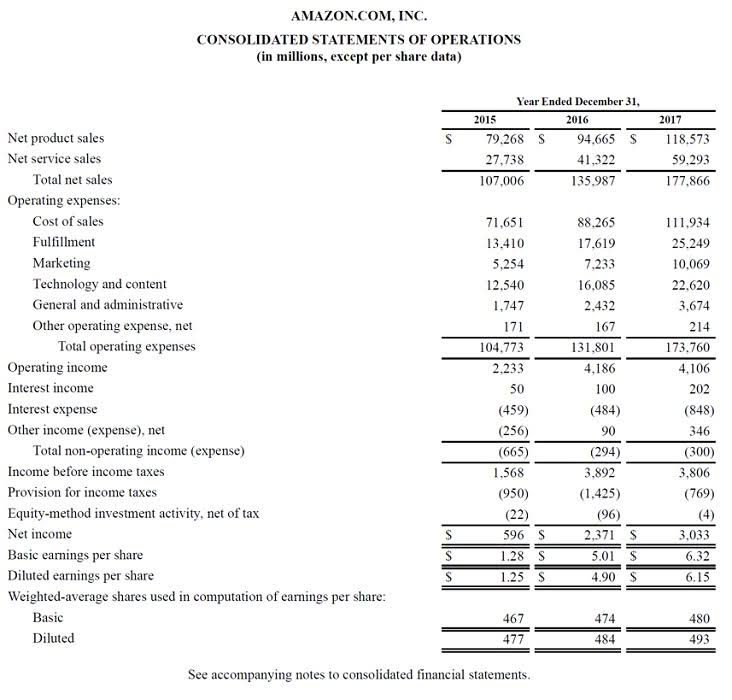
Managing your accounts payable efficiently is equally important in optimizing your operating cycle. By extending payment terms without straining vendor relationships, you can retain cash for a longer duration. Inventory management is a crucial component of your operating cycle, as it directly impacts how efficiently you can turn your investments in goods and materials into cash.
